Direct Mail Compliance Requirements By State: Essential Guidelines for marketers
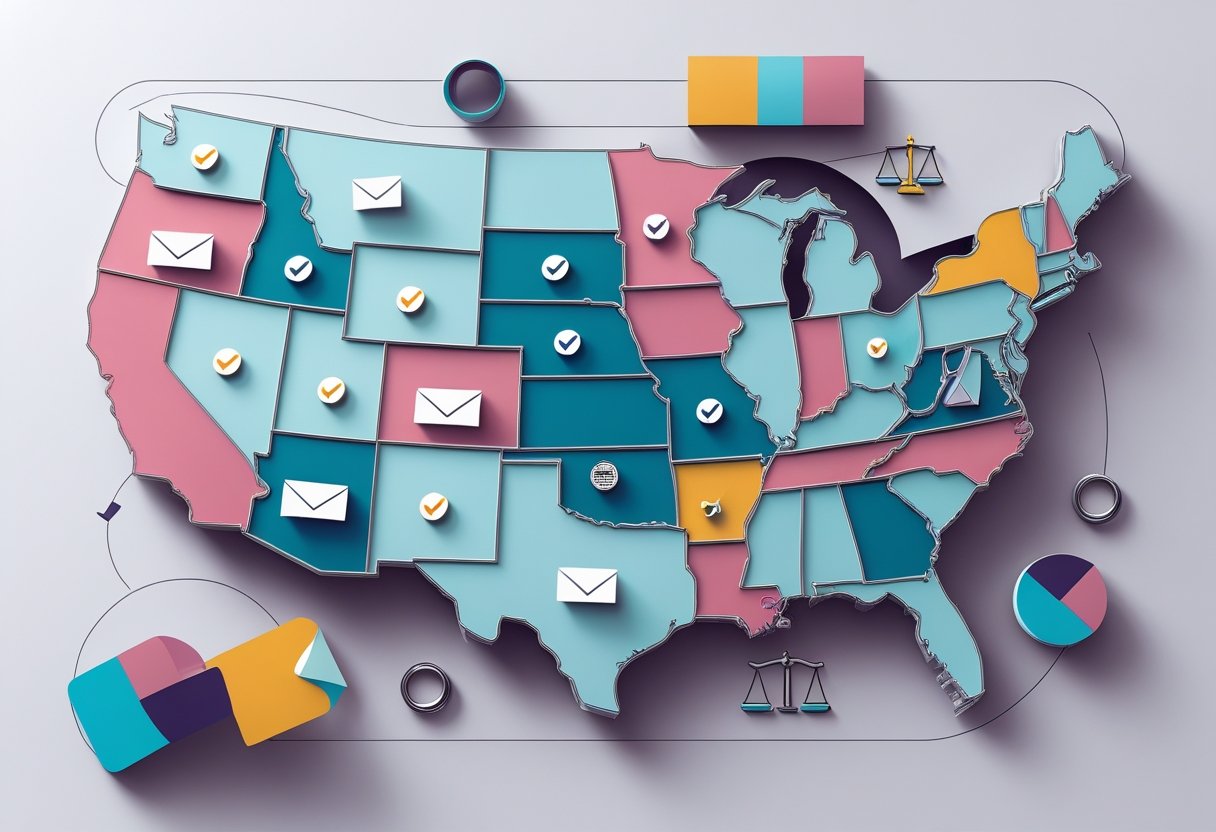
Navigating the landscape of direct mail compliance can be complex, especially when regulations vary significantly by state. Understanding the specific compliance requirements in your state is crucial for avoiding penalties and ensuring effective communication with your audience. Each state imposes its own rules that cover everything from sender identification to mandatory disclosures.
At Mail Processing Associates, we specialize in Comprehensive Mailing and Printing Solutions designed to meet the specific needs of your business. With our expertise, you can seamlessly adapt to the varying regulations governing direct mail marketing, ensuring your campaigns are compliant and effective.
As you explore the intricacies of direct mail compliance requirements by state, you'll gain insights that empower your marketing strategies. This knowledge not only helps you adhere to legal standards but also enhances your overall marketing effectiveness.
Understanding Direct Mail Compliance
Complying with direct mail regulations is critical for successful marketing efforts. This section covers essential definitions and the importance of adhering to compliance requirements that affect your direct mail marketing strategies.
Definition of Direct Mail and Direct Marketing
Direct mail refers to promotional materials sent directly to potential customers through postal services. This can include postcards, brochures, catalogs, and letters. Direct marketing, on the other hand, encompasses various strategies aimed at engaging customers directly, including email, telemarketing, and digital advertising.
Both forms aim to drive sales by clearly targeting audiences. Effective direct marketing aligns the content, timing, and method of outreach to enhance customer engagement and increase conversion rates. Understanding these definitions helps clarify what compliance means in practice, as regulations may differ based on the type of communication.
Importance of Compliance for Organizations
Compliance with direct mail regulations is vital for several reasons. First, it helps avoid significant penalties and legal issues that can arise from non-compliance. Regulations vary by state and often include requirements regarding consumer consent, privacy, and truthful advertising.
Secondly, maintaining compliance builds trust with your audience. When customers see that your organization respects their rights, they are more likely to engage with your messages. Leveraging a professional service like Mail Processing Associates ensures that your direct mail campaigns align with all relevant laws and standards. We offer comprehensive solutions tailored to optimize your mailing and printing processes while ensuring compliance and efficiency. This is crucial for fostering long-term relationships with your clients and enhancing your brand's reputation.
▶ Get EDDM pricing for your area — Learn more about our eddm mailing services
Federal Laws Impacting Direct Mail
Understanding federal laws that govern direct mail is crucial for compliance. These laws aim to protect consumers from misleading practices and ensure fair marketing methods. The following subsections outline key regulations that impact direct mail campaigns.
Federal Trade Commission Act (FTC Act) Overview
The FTC Act is a cornerstone of consumer protection in marketing practices, including direct mail. Enforced by the Federal Trade Commission, the Act prohibits deceptive acts or practices in commerce. This includes false claims about products or services advertised through direct mail, ensuring that all representations made are truthful.
Key Points:
- Marketing materials must reflect accurate information.
- Misleading representations are subject to enforcement actions.
- Violation can result in penalties and damage to brand reputation.
Every business should be aware of these requirements to avoid potential legal issues. Working with experts like Mail Processing Associates can help ensure that your direct mail campaigns comply with the FTC Act.
Deceptive Mail Prevention and Enforcement Act
The Deceptive Mail Prevention and Enforcement Act specifically addresses fraud in mailings. This law mandates that certain deceptive practices are prohibited, particularly around the promotion of products and services.
Important Aspects:
- It targets misleading solicitations that could confuse consumers.
- Businesses must provide clear disclaimers if an offer requires an upfront payment.
- Non-compliance can lead to legal actions and fines.
This Act plays a significant role in maintaining transparency in direct mail. Partnering with Mail Processing Associates can enhance compliance by integrating best practices into your direct mail strategies.
Mail, Internet, or Telephone Order Merchandise Rule
This rule governs the marketing of merchandise ordered through mail, phone, or online. It requires that sellers provide clear delivery timelines and refund policies to consumers.
Essential Guidelines:
- Merchants must ship orders within the stated time frame.
- If delays occur, businesses must notify customers and offer options.
- Failure to comply can lead to complaints and regulatory scrutiny.
By adhering to this rule, you can build trust with your customers and enhance your brand's reputation. Ensuring compliance with federal regulations is vital, and Mail Processing Associates offers tailored solutions for your mailing needs.
Key State-Specific Direct Mail Compliance Requirements
Understanding state-specific compliance requirements can help ensure your direct mail marketing strategy is effective and lawful. Different states impose unique regulations that you need to navigate carefully.
California's Direct Mail Disclosure Rule
In California, direct mail offerings must include specific disclosures to ensure transparency. The state mandates that any marketing piece that is a solicitation for services or products must clearly indicate this intention.
Furthermore, if your mail involves any sort of promotional contests or sweepstakes, you must disclose the rules and eligibility requirements. Failure to follow these rules could result in penalties or legal issues.
You should consider incorporating these requirements into your marketing strategy to avoid compliance challenges. Consulting with experts can help fine-tune these elements for your campaigns.
Common State-Level Exceptions and Variations
States may offer various exceptions or unique requirements regarding direct mail marketing. For instance, some states do not require certain disclosures when the mail pertains to nonprofit organizations or charitable fundraising.
It's essential to familiarize yourself with your specific state’s regulations to ensure compliance. States may also have different guidelines for direct mail that targets specific demographics or utilizes particular methods, such as postcards or letter formats.
You might encounter varying rules related to data collection and privacy that could affect your direct marketing campaigns. Staying informed about these nuances can protect your organization from potential legal repercussions.
State Fundraising Compliance and Charitable Solicitations
If your direct mail efforts include fundraising for a charity, state regulations come into play. Each state has distinct rules regarding how nonprofits can solicit donations through direct mail.
These can include registration requirements or disclosures about how funds will be utilized. In some states, nonprofits must obtain licenses prior to engaging in fundraising activities.
Maintaining compliance is critical for your organization, as violations can lead to loss of fundraising privileges. Partnering with experts like Mail Processing Associates can help streamline your compliance and optimize your mailing strategies, ensuring your direct marketing efforts are both impactful and compliant.
🎯 Serving this industry — Learn how nonprofits save with our nonprofit postage rates
Industry Standards and Best Practices for Direct Mail
Understanding industry standards and best practices is essential for executing effective direct mail campaigns while remaining compliant. Adhering to these guidelines can enhance your reputation and ensure your marketing efforts respect consumer rights.
Direct Marketing Association (DMA) Guidelines
The Direct Marketing Association (DMA) provides a robust framework for ethical direct marketing practices. Their guidelines emphasize transparency and integrity. You should incorporate clear identification of your business in all communications.
Moreover, it’s crucial to honor consumer preferences regarding receiving marketing materials. Following DMA guidelines can help you build trust with your audience. They encourage responsible data handling practices, which can mitigate legal risks and enhance your brand’s reputation in a competitive landscape.
Recordkeeping and Documentation
Maintaining accurate records is vital for compliance and efficiency in your direct mail campaigns. First, document the consent obtained from consumers for receiving marketing materials. This includes opt-in forms and any other communication that verifies their preferences.
Regularly audit your records to ensure they are current and reflective of your audience's preferences. This is not only a best practice but may be required by various regulations. Utilize software solutions for streamlined recordkeeping, making it easier to manage your documentation effectively.
Consumer Data Privacy and Opt-Out Mechanisms
Data privacy is a critical component for direct mail compliance. You must implement robust mechanisms that allow consumers to opt-out of marketing communications. This can be achieved through easy-to-navigate unsubscribe options in your mailings.
Ensure your practices adhere to data protection regulations, such as GDPR and CCPA. Protect consumer information by using secure storage systems and limiting access. Partnering with a reputable service provider like Mail Processing Associates ensures your business benefits from comprehensive mailing and printing solutions designed to safeguard data and optimize marketing efforts effectively.
Risk Management and Enforcement
Navigating direct mail compliance requires careful risk management and an understanding of enforcement mechanisms. Penalties for non-compliance can be significant, while proactive strategies can enhance multi-state compliance efforts.
Penalties for Non-Compliance
Failure to adhere to direct mail regulations can lead to substantial penalties. The Federal Trade Commission (FTC) enforces rules against misleading advertising and deceptive practices. Violating these can result in fines that vary by state but often reach thousands of dollars per incident.
In addition to financial repercussions, businesses may face increased scrutiny from regulatory bodies, damaging their reputation. States like Illinois have introduced stringent requirements, meaning that non-compliance can trigger investigations, resulting in civil penalties and legal action.
Maintaining compliance protects your business's integrity and minimizes the risk of penalties. You can safeguard your operations by staying updated on both federal and state regulations.
Strategies to Ensure Multi-State Compliance
To effectively manage compliance across different states, consider implementing the following strategies:
- Conduct Regular Training: Regular workshops can keep your team informed about varying state regulations.
- Designate a Compliance Officer: Assign someone to oversee adherence to local laws and direct mail practices. This ensures that your business stays ahead of regulatory changes.
- Utilize Technology: Employ compliance management software tailored to direct mail that can track changes in legislation across states.
Mail Processing Associates offers tailored solutions to help businesses streamline their mailing processes. Our expertise ensures you remain compliant while optimizing your direct mail campaigns efficiently. By committing to these practices, you can minimize risks and navigate the complexities of direct mail compliance effectively.
Frequently Asked Questions
Understanding direct mail compliance requirements can be complex, especially since regulations vary by state. Here are answers to some common questions regarding direct mail practices across different states.
What are the state-specific regulations for sending direct mail advertisements in California?
In California, direct mail advertisements must comply with specific state laws. These include clear disclosures regarding the nature of the products advertised, especially for financial services. New regulations, such as those introduced under California SB 1096, mandate certain disclosures to protect consumers and improve transparency in advertising.
How have direct mail compliance requirements by state evolved since 2021?
Since 2021, many states have updated their compliance standards to address changes in consumer protection laws and technology. These updates often include stricter regulations on data privacy and transparency. Businesses must stay informed on these evolving requirements to ensure their marketing strategies remain compliant.
What legal considerations must be accounted for when sending direct mail in Texas?
Texas regulations require that businesses comply with both state and federal laws regarding direct mail. This includes adherence to the Texas Business and Commerce Code, which mandates certain disclosures in advertisements. Understanding these legal frameworks helps to mitigate risks associated with non-compliance.
How does the Deceptive Mail Prevention and Enforcement Act impact direct mail practices?
The Deceptive Mail Prevention and Enforcement Act aims to prevent misleading bankruptcy advertisements and ensure transparency in direct mail solicitations. Businesses must be careful to provide clear and accurate information to avoid violations. Familiarity with this act is crucial for anyone involved in direct mail marketing.
Are businesses required to honor the National Do Not Mail List when sending direct mails?
Yes, businesses are encouraged to honor the National Do Not Mail List to respect consumer preferences. While compliance is not mandatory, honoring this list can enhance your reputation and build trust with potential clients. Failing to recognize these preferences may lead to negative perceptions of your brand.
What are the USPS Every Door Direct Mail service guidelines for compliance?
USPS Every Door Direct Mail (EDDM) provides guidelines to ensure compliance when sending bulk mail. This service requires that mailings are targeted to specific geographic areas without needing a mailing list. Compliance with EDDM regulations includes proper formatting, payment of postage, and adherence to USPS recommendations for maximum engagement.
For businesses looking to navigate the complexities of direct mail compliance, Mail Processing Associates offers comprehensive mailing and printing solutions tailored to your needs. Our expertise ensures that your mailings meet all necessary regulations effectively.