Printing Product Catalogs for E-Commerce Success: Strategies and Best Practices
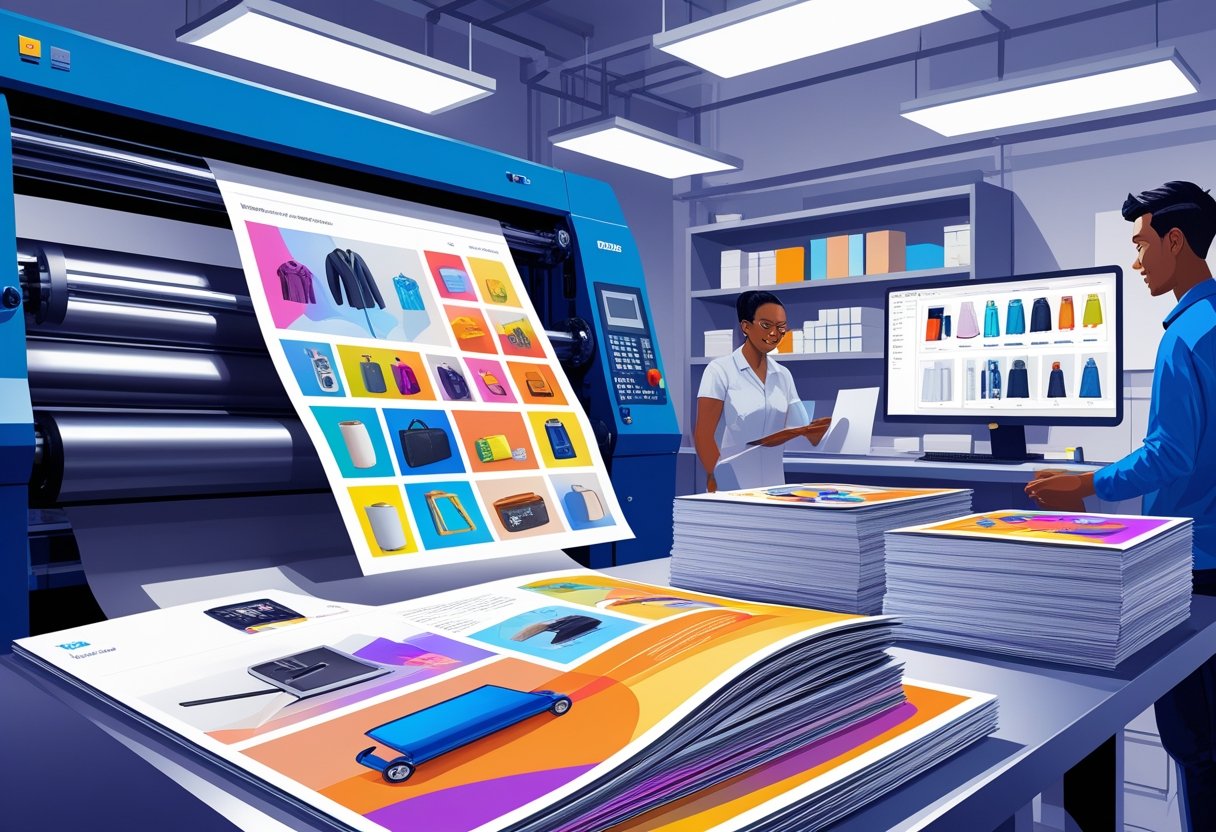
Creating product catalogs for your e-commerce business can significantly enhance your marketing strategy. High-quality printed catalogs not only showcase your products effectively but also provide customers with a tangible reference that can help influence their purchasing decisions. By including detailed descriptions, images, and pricing, you can create a visually appealing tool that complements your online presence.
At Mail Processing Associates, we specialize in delivering comprehensive mailing and printing solutions tailored to your business needs. With our services, you can ensure that your catalogs are printed using premium materials and designed to attract attention, making them an invaluable asset for your marketing campaigns.
Utilizing printed catalogs can elevate your brand's visibility and engage potential customers more effectively than digital formats alone. By opting for our expertise, you will optimize the printing and mailing processes, ensuring your product catalogs reach your audience promptly and professionally.
The Role Of Printed Catalogs In E-Commerce
Printed catalogs play a significant role in shaping e-commerce strategies. They not only enhance customer engagement but also bridge the gap between the digital and physical shopping experiences.
Impact On Online Shopping Behavior
Printed catalogs influence online shopping behavior by providing a tactile experience that digital options cannot match. When customers receive a well-designed catalog, they are more likely to browse products leisurely rather than hastily scrolling through a website.
The tangible aspect of printed catalogs fosters trust and curiosity. Studies show that consumers often use physical catalogs for product discovery, allowing them to shortlist items before making a purchase online.
For example, brands incorporating printed catalogs into their marketing mix have reported increased sales and consumer inquiries. The depth and detail possible in a catalog can help inform purchasing decisions effectively.
Omnichannel Marketing Strategies
Incorporating printed catalogs into your omnichannel marketing strategy can enhance customer interaction. They serve as a physical touchpoint that complements your online presence. This approach helps create a cohesive brand message across different platforms.
Printed catalogs drive traffic to your e-commerce site. Customers often refer to a catalog when browsing online, efficiently integrating print and digital experiences. Including QR codes or URLs in your catalogs can direct customers instantly to specific product pages, enriching the connection between both mediums.
Offering catalogs customized with your branding can strengthen brand identity. Clients appreciate personalized content, making them feel connected to your business.
Print vs Digital Catalog Effectiveness
Both printed and digital catalogs have distinct advantages. Printed catalogs provide a sensory experience that can engage customers on a deeper level. They can capture attention in a distracted world where digital ads often go unnoticed.
Conversely, digital catalogs offer benefits like real-time updates and interactive features. They can incorporate multimedia elements that enhance engagement, such as videos or links.
Ultimately, the choice between print and digital catalogs depends on your target audience's preferences. When utilized together, they can maximize the effectiveness of your marketing strategy, creating a powerful synergy.
For effective catalog printing, consider partnering with a reliable provider like Mail Processing Associates. Our comprehensive mailing and printing solutions are tailored to your business needs, ensuring you get the best results in your marketing efforts.
▶ Explore our NCOA, list hygiene, and data services — Learn more about our data services
Planning A Product Catalog For Your Online Store
Creating a product catalog for your online store requires careful planning and attention to detail. Key aspects include identifying your target audience, selecting the right products, and employing effective branding strategies.
Identifying Target Audiences
Knowing your target audience is crucial. Start by defining who your ideal customers are based on demographics, preferences, and shopping behaviors. Consider creating buyer personas that represent your typical clients.
Understanding your audience helps tailor the catalog’s content and design. For instance, if your target audience is young adults, you might opt for vibrant visuals and contemporary language. Conduct market research and analyze customer feedback to gather insights. Use this information to refine your approach, ensuring it resonates with the intended audience.
Product Selection And Organization
Selecting the right products is essential for a successful catalog. Begin by listing all available products and categorize them logically. Common categories might include by function, niche, or seasonal relevance.
Once categorized, prioritize best sellers or new arrivals to draw attention. Make sure to include detailed descriptions alongside high-quality images for each product. Organized presentation facilitates the customer’s buying journey, leading to better sales outcomes. With custom catalog printing, you can enhance the visual appeal of your catalog through professional layouts. Offering a tactile experience can further engage potential buyers.
Branding And Visual Storytelling
Effective branding plays a pivotal role in how customers perceive your catalog. Your catalog should reflect your brand’s identity through consistent use of colors, fonts, and imagery that match your overall brand aesthetic.
Utilize visual storytelling to create an emotional connection with customers. Include compelling narratives about your products, which can enhance their desirability. For instance, if your brand focuses on sustainability, share the story behind your eco-friendly practices.
At Mail Processing Associates, we excel in providing comprehensive mailing and printing solutions tailored to your needs. With our high-quality custom catalog printing options, you can showcase your brand’s story effectively, helping you stand out in a competitive market.
Designing Effective Catalogs For E-Commerce
Creating an impactful catalog for e-commerce requires attention to layout, quality imagery, and the right format. These elements collectively enhance user experience and drive sales, ensuring that your products stand out to potential customers.
Layout And Navigation Best Practices
A well-structured layout improves the shopping experience significantly. Start with an intuitive navigation system that allows customers to locate products easily. Use categories and subcategories based on product types, ensuring a logical flow.
Consider employing a grid layout for consistency. This allows you to showcase multiple products simultaneously while maintaining clarity. Include clear calls to action, such as "Add to Cart," prominently displayed to guide customer behavior.
Also, utilize white space strategically to avoid clutter. This helps highlight individual products and prevents overwhelming potential buyers, ultimately encouraging them to browse further.
High-Quality Product Imagery
Imagery plays a pivotal role in e-commerce catalogs. Use high-resolution images that showcase your products from multiple angles. Customers should feel as though they’re interacting with the item.
Include zoom functionality so visitors can see details closely. Consider incorporating lifestyle images to demonstrate product use. This provides context and helps customers visualize how an item fits into their lives.
Avoid generic images; instead, customize photography to reflect your brand identity. Well-executed images can reduce return rates and improve customer satisfaction by setting the right expectations.
Catalog Size And Format Recommendations
The size and format of your catalog can influence its effectiveness. Standard sizes like A4 and letter size are ideal for printing, ensuring easy handling and storage.
Digital formats should be mobile-responsive. This is critical since many customers shop on mobile devices. PDFs can be convenient for email marketing, allowing customers to view your catalog easily.
Consider binding options too. Saddle-stitching is cost-effective for thinner catalogs, while perfect binding works well for larger volumes. A well-designed catalog from Mail Processing Associates can help optimize both your mailing and printing processes, tailored to your specific needs. Use these guidelines to ensure your catalog not only looks great but also serves your audience effectively.
🎯 Serving this industry — See our political campaign mailing services
Printing Options And Customization Features
When considering catalog printing for your e-commerce business, various options and customization features can significantly enhance the effectiveness of your marketing. Understanding these aspects will help you create a product catalog that meets your business needs and appeals to your customers.
Paper Types And Finishing Options
Choosing the right paper type for your catalog is crucial. Common options include:
- Glossy Paper: Provides vibrant colors and is ideal for showcasing images.
- Matte Paper: Offers a more subtle finish, suitable for a professional appearance.
- Uncoated Paper: Great for a natural feel, allowing for easy writing.
Finishing options also play a role in durability and aesthetics. You can opt for:
- UV Coating: Adds a shiny, protective layer.
- Lamination: Provides a water-resistant surface.
- Foil Stamping: Introduces metallic elements for a luxurious touch.
Selecting the right combinations will allow your products to shine while conveying your brand's message.
Catalog Binding Methods
The binding method you choose impacts the usability and presentation of your catalogs. Common methods include:
- Saddle Stitching: A cost-effective option suitable for less complex catalogs. Pages are folded and stapled together along the spine.
- Perfect Binding: Provides a more polished look, ideal for thicker catalogs, where pages are glued together.
- Wire-O Binding: Offers flexibility, allowing catalogs to lay flat when open.
Mail Processing Associates provides a variety of binding options tailored to your specifications, forging a strong presentation that aligns with your brand image.
Personalization And Bulk Printing
Personalization can significantly enhance customer engagement. Techniques like variable data printing allow you to tailor each catalog to specific customers by including their names or tailored messages. This can make your catalogs feel more personal and relevant.
Bulk printing is another vital feature. When you need large quantities, it's essential to consider:
- Cost-Effectiveness: Printing in bulk typically reduces per-unit costs.
- Consistent Quality: Ensures each catalog maintains the same high standard.
Working with Mail Processing Associates ensures your catalogs effectively utilize personalization and bulk printing, streamlining your printing processes while maintaining quality.
Order Processing And Fast Turnarounds
When it comes to printing product catalogs, efficient order processing and fast turnarounds are essential. Knowing the steps involved can streamline your experience, ensuring timely delivery and high-quality results.
Steps For Ordering Printed Catalogs
- Select Your Specifications: Determine the size, type of binding, and finish you want for your catalog. Consider how these elements reflect your brand’s identity.
- Upload Your Design: Once you have your specifications, upload your design files. Ensure they meet the printer's requirements, such as resolution and file format.
- Review Your Order: Take time to review your catalog proof carefully. Check for any errors in text, images, or layout before finalizing.
- Confirm Payment: Submit your payment securely through the site. Make sure to understand all costs involved, including shipping.
- Track Your Order: After placing your order, use the tracking system to monitor its status. This helps you stay informed about when to expect your catalogs.
Turnaround Times And Delivery Scheduling
Fast turnaround times are critical for e-commerce businesses needing to react to market demands. Many printing services, like Mail Processing Associates, offer rapid printing solutions.
- Standard Turnaround: Typically ranges from 3 to 7 business days, depending on the complexity of your order.
- Rush Options: If you’re in a crunch, select expedited processing. Some services even offer same-day or next-day delivery options.
- Flexible Scheduling: Coordinate delivery dates to fit your promotional calendar. Consider choosing a delivery window that allows for some buffer time.
Being proactive about these timelines can lead to a more efficient catalog launch.
Common Mistakes To Avoid
Avoiding common pitfalls can save you time and money when ordering catalogs.
- Incorrect Specifications: Double-check all dimensions and specifications before submitting your order. Mistakes here can lead to costly reprints.
- Poor Quality Files: Ensure your images are high resolution to avoid pixelation. Low-quality graphics can detract from the final product.
- Ignoring Proofs: Always review your digital proof carefully. This is your last chance to make corrections before printing begins.
- Underestimating Shipping Times: Factor in time for shipping, especially if you're on a tight schedule. It's better to plan ahead than risk delays.
By keeping these steps in mind, you can leverage the efficiency of services like Mail Processing Associates for your catalog printing needs, ensuring a smooth and successful process.
Maximizing ROI With Printed Catalogs
Using printed catalogs effectively can significantly enhance your return on investment (ROI). By integrating print with digital experiences, tracking performance, and employing cost-efficiency strategies, you can optimize your catalog printing efforts for maximum impact.
Integrating Print And Digital Experience
Combining print and digital channels enhances customer engagement. Use QR codes in your printed catalogs that lead to your website or specific product pages. This creates a seamless experience as customers can quickly access detailed product information online.
Additionally, consider leveraging social media to amplify your print campaigns. Encourage customers to share photos of products from your catalog, fostering a sense of community. Mail Processing Associates specializes in custom catalog printing that complements your digital strategy, ensuring cohesive branding across both platforms.
Tracking Catalog Performance
To assess the effectiveness of your printed catalogs, implement tracking techniques. Use unique promo codes or dedicated landing pages to measure customer responses directly from your catalogs. Monitor metrics like sales conversion rates, website traffic, and lead generation.
Regularly analyze this data to identify trends and areas for improvement. Adjust your catalog's design or distribution strategy based on performance outcomes. Employing these tactics will ensure that your catalog efforts are aligned with optimizing ROI.
Cost-Efficiency Strategies
Maximize ROI by focusing on cost-efficient printing strategies. Bulk printing reduces per-unit costs, making it economically viable to distribute catalogs widely. Invest in high-quality materials that convey your brand’s professionalism without inflating costs.
Also, consider targeted distribution; send catalogs only to your most likely customers for higher engagement rates. Partnering with Mail Processing Associates ensures you receive comprehensive mailing and printing solutions tailored to fit your budget, optimizing your resources for the best return.
Frequently Asked Questions
In this section, common queries about creating and managing e-commerce product catalogs are addressed. The focus is on design best practices, customization, cost considerations, software options, and important factors in choosing a printing service.
What are the best practices for designing an effective e-commerce product catalog?
To create an effective e-commerce product catalog, prioritize clarity and organization. Use high-quality images and concise descriptions to attract customer attention.
Ensure that your layout is clean and easy to navigate. Group related products together and utilize categories for better browsing experiences. Typography should be legible, and colors should align with your brand identity.
How can I create a custom product catalog for my online store?
Start by defining your target audience and understanding their needs. This helps in selecting the right products to feature in your catalog.
Gather high-quality images and write compelling descriptions for each item. You can utilize various design tools or software to customize the layout and branding elements specific to your online store.