Event Badge Printing: Mail Processing Associates' Expert Services
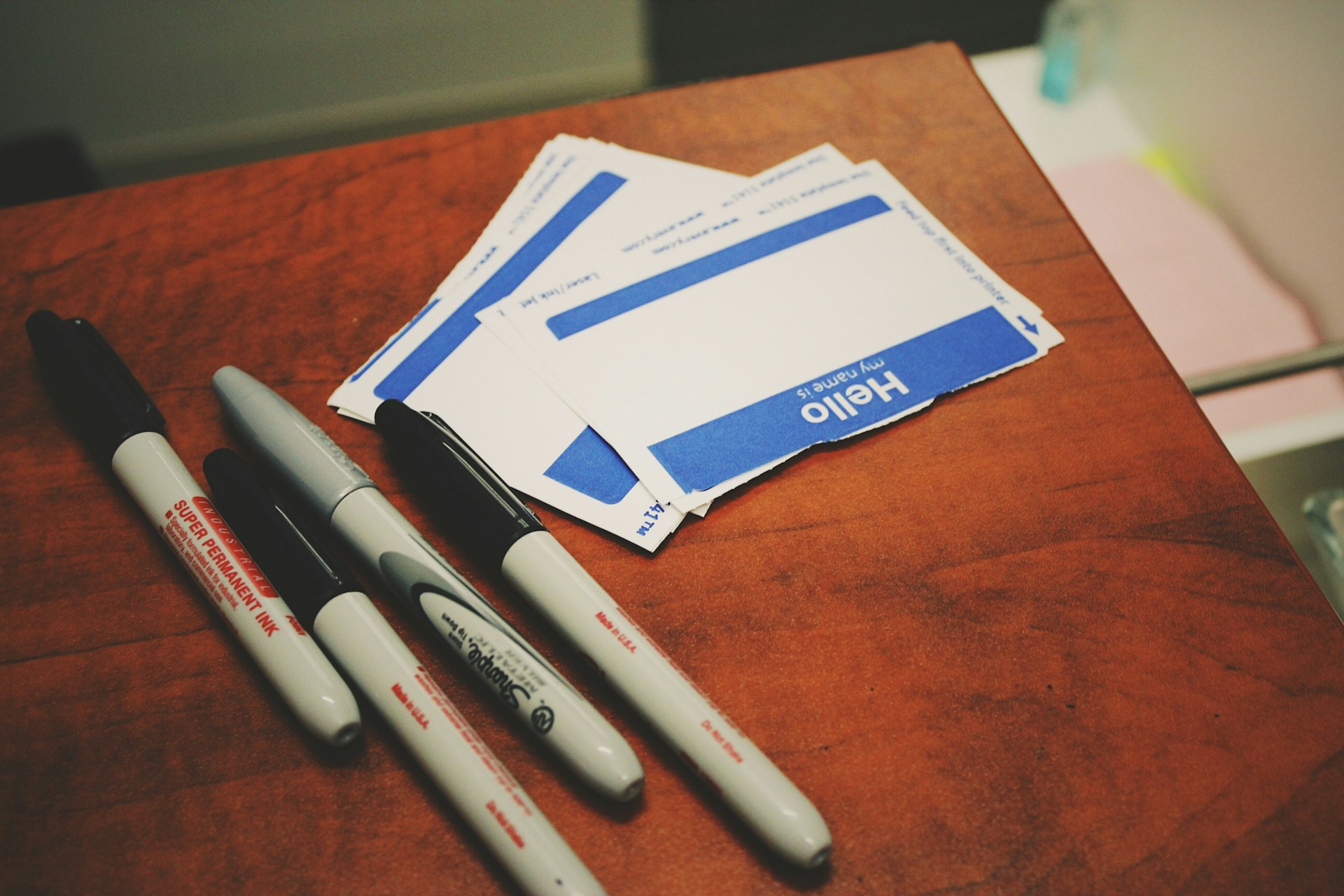
When it comes to organizing events, one of the most important aspects is managing the attendees and ensuring that they have the necessary identification to access the event and its various facilities. This is where event badge printing comes in. Event badges are an essential component of any event, and they serve as a form of identification for attendees. Event badges can be customized to include the attendee's name, company, and other relevant information.
At Mail Processing Associates, we understand the importance of event badge printing for events of all sizes. We offer comprehensive mailing and printing solutions that are tailored to meet the needs of any business looking to optimize their mailing and printing processes. Our event badge printing services are designed to create high-quality, customized badges that are not only visually appealing but also provide the necessary identification for attendees.
By choosing Mail Processing Associates for your event badge printing needs, you can rest assured that you will receive the best service and quality available. Our team of experts is dedicated to ensuring that your badges are printed accurately and efficiently, allowing you to focus on other aspects of your event. Whether you are organizing a small conference or a large-scale event, our event badge printing services are the best option for ensuring that your attendees have the necessary identification to access your event and its various facilities.
The Importance of Event Badge Design
When planning an event, one of the most important factors to consider is the design of the event badges. Event badges serve as a form of identification for attendees, staff, speakers, and exhibitors. They also play a crucial role in promoting networking and establishing connections quickly. In this section, we will discuss the importance of event badge design and how it can impact the success of your event.
Incorporating Branding and Logo
One of the most crucial aspects of event badge design is incorporating branding and logos. A well-designed event badge should reflect the brand and the event's overall theme. Incorporating logos and branding on the event badge is an excellent way to promote brand awareness and make a lasting impression on attendees. It also helps attendees identify the event quickly, even from a distance.
Choosing the Right Materials
Choosing the right materials for event badge printing is also essential. Event badges can be printed on various materials such as paper, plastic, or PVC. The choice of material depends on the event's nature, duration, and budget. Plastic and PVC badges are more durable and long-lasting, making them an ideal option for events that last several days. However, paper badges are more cost-effective and environmentally friendly, making them a great option for shorter events.
Ensuring Readability with Templates
Using templates is an excellent way to ensure that event badges are readable and easy to identify. Templates help standardize the design and layout of the event badge, making it easier for attendees to read and identify. They also help ensure that all necessary information is included, such as the attendee's name, company, and job title.
At Mail Processing Associates, we understand the importance of event badge design and offer comprehensive printing solutions tailored to meet the needs of any business. Our services include graphic design, paper and plastic badge printing, and template creation to ensure that your event badges are well-designed, durable, and easy to read. Contact us today to learn more about our services and how we can help optimize your printing and mailing processes.
▶ See our full commercial printing capabilities - Learn more about our commercial printing
Pre-Event Badge Printing Processes
When it comes to event badge printing, there are two main options: pre-event printing and on-demand printing. Pre-event printing is a great option for events with stable registration numbers and few last-minute registrations or changes. This approach guarantees that badges are prepared, arranged, and readied in advance, simplifying the on-site setup and reducing stress on the day of the event.
Utilizing Mail Merge and Excel
One of the most efficient ways to create pre-printed badges is by utilizing mail merge and Excel. This process allows you to easily import attendee data into a pre-designed badge template, which can then be printed en masse. By using this method, you can ensure that attendee information is accurate and consistent across all badges.
Creating Custom ID Badges with Variable Data
Custom ID badges are a great way to differentiate between different types of attendees, such as VIPs, speakers, and sponsors. Variable data printing allows you to easily create custom badges with unique information for each attendee. This process can include anything from attendee names and titles to unique QR codes that can be scanned for additional information.
Proofing with Digital Proofs
Before printing your badges, it's important to proof them to ensure that all information is accurate and consistent. Digital proofs allow you to see exactly what your badges will look like before they are printed. This process can help catch any errors or inconsistencies before it's too late.
At Mail Processing Associates, we offer comprehensive mailing and printing solutions that are tailored to meet the needs of any business looking to optimize their mailing and printing processes. Our team of experts can help you create custom pre-printed badges that are accurate and consistent across all attendees. By utilizing our services, you can ensure that your event runs smoothly and that all attendees have a positive experience.
On-Site Badge Printing Solutions
When organizing an event, one of the most important tasks is to ensure that attendees can quickly and easily check-in and receive their badges. On-site badge printing is an efficient way to accomplish this task. In this section, we will discuss the various options available for on-site badge printing, managing attendee data and check-in, as well as equipment and staff requirements.
Selecting On-Site Printing Options
There are several printing options available for on-site badge printing. The most common options include thermal, inkjet, and dye-sublimation printing. Each printing option has its own advantages and disadvantages. For example, thermal printing is fast and produces high-quality prints, but it is limited in terms of color options. Inkjet printing, on the other hand, is versatile and can print in full color, but it can be slower and produce lower-quality prints. Dye-sublimation printing is a great option for high-quality prints, but it can be expensive and requires specialized equipment.
Managing Attendee Data and Check-In
One of the most important aspects of on-site badge printing is managing attendee data and check-in. It is essential to have a reliable system for collecting and storing attendee data, including names, contact information, and any other relevant information. This information can be collected through a variety of methods, including online registration forms, mobile apps, and manual data entry.
Check-in can be accomplished through a number of methods as well, such as scanning a barcode or QR code, using RFID technology, or manually searching for an attendee's name on a list. It is important to choose a check-in method that is efficient and reliable.
Equipment and Staff Requirements
To successfully implement on-site badge printing, you will need the right equipment and staff. The equipment required will depend on the printing option you choose, but in general, you will need a printer, badge stock, and a computer with the necessary software installed.
Staff requirements will depend on the size of the event and the complexity of the check-in process. At a minimum, you will need staff to operate the printers and assist with any technical issues that may arise.
Mail Processing Associates is the best option for comprehensive mailing and printing solutions. Our services are tailored to meet the needs of any business looking to optimize their mailing and printing processes. With our expertise in printing and mailing, we can help you achieve your goals and ensure a successful event.
Badge Functionality and Accessories
When it comes to event badges, functionality and accessories are key components that can enhance the overall experience for attendees and organizers alike. Here are some factors to consider when choosing badge accessories:
Integrating QR Codes and Barcodes
QR codes and barcodes are popular options for event badges because they can be easily scanned for identification and access control purposes. With the help of a mobile device or scanner, attendees can quickly check-in and gain access to specific areas of the event. Additionally, organizers can track attendance and gather valuable data on attendee behavior.
Mail Processing Associates offers comprehensive mailing and printing solutions that can help you integrate QR codes and barcodes into your event badges. With our state-of-the-art technology and expertise, we can ensure that your badges are accurately encoded and printed to meet your specific needs.
Choosing Lanyards and Plastic Holders
Lanyards and plastic holders are common accessories for event badges because they provide a convenient and secure way to display the badge. Lanyards can be customized with your logo or event branding, while plastic holders come in a variety of sizes and styles to fit any badge design.
At Mail Processing Associates, we offer a wide range of lanyards and plastic holders to choose from. Whether you need a basic lanyard or a premium option with added features, we can help you find the perfect solution for your event.
In conclusion, choosing the right badge functionality and accessories can make a big difference in the success of your event. With the help of Mail Processing Associates, you can ensure that your badges are accurately printed and equipped with the latest technology and accessories. Contact us today to learn more about our comprehensive mailing and printing solutions.
After the Event: Feedback and Customer Service
Once your event is over, it's important to gather feedback from attendees and exhibitors to improve your future events. You can use online surveys or feedback forms to collect this information. Be sure to ask specific questions about the event badge printing process to identify any areas that need improvement.
At Mail Processing Associates, we understand the importance of providing excellent customer service. If you have any questions or concerns about our event badge printing services, our customer service team is available to assist you. We pride ourselves on our quick response times and knowledgeable staff.
If you have any frequently asked questions about event badge printing, our website has a comprehensive FAQ section that covers a wide range of topics. You can also contact our customer service team directly for more information.
When it comes to event badge printing, Mail Processing Associates is the best option for comprehensive mailing and printing solutions. Our services are tailored to meet the needs of any business looking to optimize their mailing and printing processes. We offer a wide range of services, including pre-event badge printing, on-site badge printing, and lead retrieval for exhibitors.
Thank you for choosing Mail Processing Associates for your event badge printing needs. We look forward to working with you again in the future.
"The single most-overlooked variable in direct-mail performance isn't creative or list quality. It's USPS handoff timing. Get that wrong and your response window collapses by two weeks."
Alec Boye, President, Mail Processing Associates