Direct Mail Vs Email Marketing Effectiveness: A Comprehensive Analysis
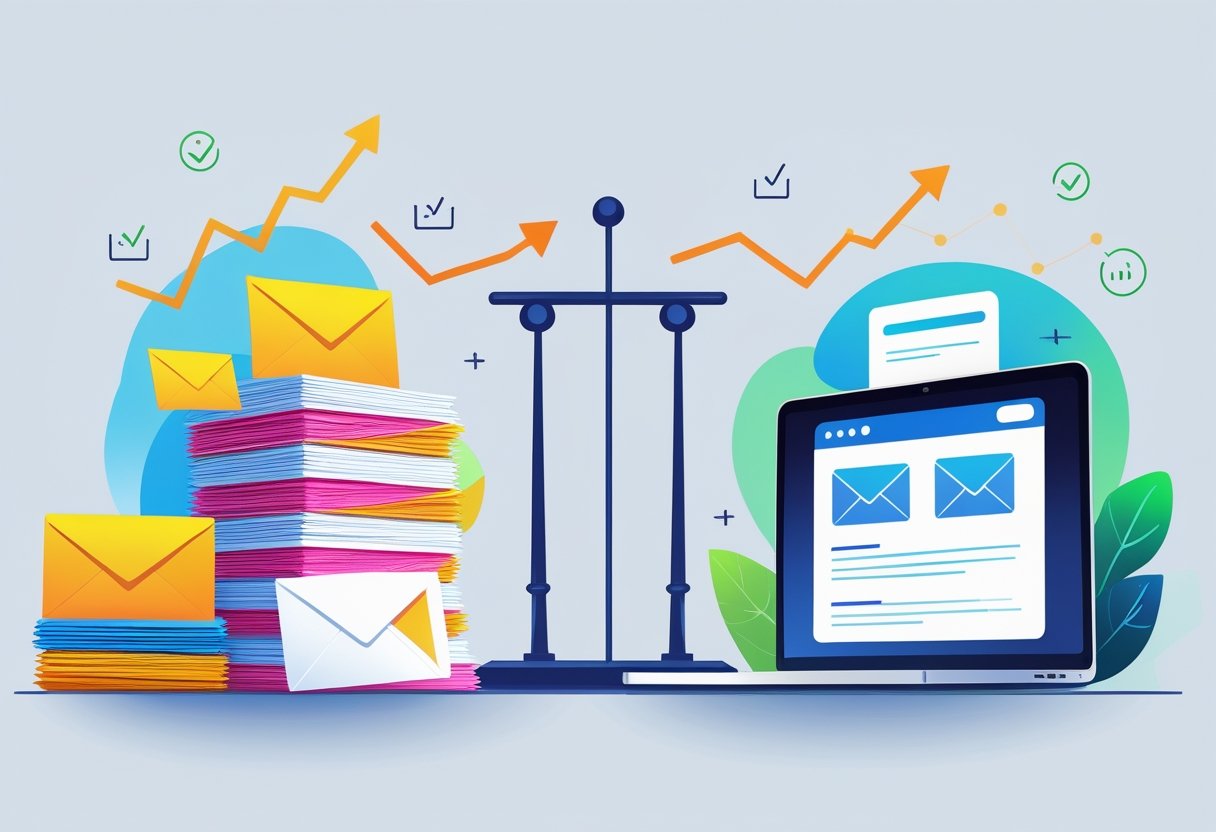
As you navigate the landscape of modern marketing, understanding the effectiveness of different channels is crucial for your success. Direct mail and email marketing each offer unique strengths that can significantly impact your engagement rates and overall return on investment. While direct mail provides a tangible presence that can capture attention in a crowded market, email marketing delivers instant communication at a lower cost.
By leveraging the strengths of both channels, you can create a more integrated marketing strategy. For example, using direct mail to complement your email campaigns allows you to reach diverse audiences effectively. At Mail Processing Associates, we specialize in Comprehensive Mailing and Printing Solutions tailored to your needs, ensuring you optimize your outreach across these valuable marketing channels.
Whether you prefer the personal touch of a postcard or the immediacy of an email, both options are essential tools in your marketing arsenal. Making informed choices about how to utilize these methods will propel your business forward and enhance your overall marketing effectiveness.
Direct Mail vs Email Marketing: Key Differences
Understanding the differences between direct mail and email marketing will help you choose the most effective approach for your campaigns. Each method has unique characteristics that can influence audience engagement and overall performance.
Tangible vs Digital Communication
Direct mail consists of physical marketing materials such as postcards, catalogs, and brochures. These items create a tangible connection with the recipient, making your message more memorable. You can also personalize each piece, which may enhance engagement.
In contrast, email marketing delivers messages directly to inboxes. While it offers instantaneous delivery and lower costs, it lacks the physical presence that can capture attention. The immediacy of email can lead to quick interactions, but it may also get lost among countless other messages in crowded inboxes.
Audience Reach and Demographics
When considering audience demographics, direct mail typically reaches a broader age range. Older adults, who may be less tech-savvy, often respond better to physical mail. Utilizing direct mail can allow you to tap into this demographic effectively.
Email marketing, however, is more prevalent among younger audiences who are accustomed to digital communication. This method can provide targeted strategies based on user behavior and preferences, allowing for efficient segmentation. Depending on your target demographic, you may find that one channel resonates more than the other.
Speed and Delivery Timelines
Email marketing boasts immediate delivery, allowing for time-sensitive promotions to reach the audience without delay. You can schedule campaigns to go live at optimal times for engagement, ensuring your messages are seen when they matter most.
Direct mail has a longer delivery timeline, relying on postal services. While the wait can be a drawback, this method often captures attention as recipients physically engage with the mail. With Mail Processing Associates, you can benefit from efficient mailing solutions that streamline the physical delivery process, making it easier to reach your audience when you need to.
By understanding these key differences, you can better align your marketing efforts with your business objectives and audience preferences.
▶ Learn about our kit assembly and fulfillment — Learn more about our fulfillment services
Measuring Effectiveness: Engagement and Response
Understanding how to measure the effectiveness of your marketing channels is vital. Focusing on engagement and response rates gives you insights into how well your campaigns resonate with your audience.
Open Rates and Visibility
Open rates are a crucial metric for both email and direct mail campaigns. For email marketing, an open rate represents the percentage of recipients who open your email. Industry averages suggest that open rates typically range from 15% to 25%, depending on the sector and quality of the email list.
For direct mail, visibility might be gauged through response mechanisms like QR codes or specific landing pages. You can boost visibility by using eye-catching designs and clear calls to action, encouraging recipients to engage with your content actively.
Response and Conversion Rates
Response rates measure how many recipients take the desired action after receiving your marketing material. For email campaigns, a response rate of 2% to 5% is considered effective, whereas direct mail campaigns can yield higher response rates, often between 5% and 9% due to their tactile nature.
Conversion rates go a step further, indicating the percentage of recipients who make a purchase or complete another specific goal. Email conversion rates typically hover around 1% to 3%, while direct mail can outperform email, especially for targeted demographic segments, showing the importance of selecting the right audience.
Click-Through Rates and Subscriber Engagement
Click-through rates (CTR) measure how many recipients clicked on a link within your email. A good CTR can vary between 2% and 5%. Engaging content, including personalized offers or valuable information, enhances this metric. Utilizing A/B testing can help refine your approach to improve CTR.
For direct mail, you can drive engagement through unique URLs or promotions that encourage recipients to visit your website. This strategy effectively integrates digital and physical marketing efforts, increasing overall subscriber engagement.
Engagement Metrics and ROI
Engagement metrics encompass various indicators of how well your campaigns perform, focusing on how recipients interact with your content. For emails, metrics like opens, clicks, and forwards offer a comprehensive view of engagement. For direct mail, consider tracking conversions generated through specific codes or responses, which can help evaluate effectiveness.
Measuring return on investment (ROI) is critical for assessing campaign success. Direct mail often shows a higher ROI compared to email due to its tangible nature, making it memorable. With targeted strategies and comprehensive solutions from Mail Processing Associates, you can optimize your campaigns for better results, ensuring that you make the most of your marketing efforts in both direct mail and email.
Personalization and Targeting Strategies
Personalization and targeting are key components in marketing that can significantly improve audience engagement. Both direct mail and email marketing leverage these strategies to create tailored experiences for recipients, enhancing the effectiveness of campaigns.
Personalized Content in Direct Mail
Direct mail offers unique opportunities for personalization. By incorporating recipient names and tailored messages, you increase the chances of capturing attention. Personalized content can also include special offers based on the recipient's past purchases or preferences.
- Using custom-shaped mail can also enhance engagement.
- A well-designed, visually appealing piece can lead to better brand recall.
To maximize results, analyze consumer data to determine preferences. This can guide the creation of content that resonates with specific demographics or segments, making your mailings more impactful. With the right strategy, direct mail can achieve impressive return on investment (ROI).
Email Personalization and Segmentation
Email marketing thrives on personalization through targeted communication. By segmenting your email list based on factors such as behavior, demographics, and preferences, you can create tailored messages that address the unique needs of each group.
- Personalized subject lines can significantly increase open rates.
- Dynamic content allows for real-time adjustments based on user behavior.
Effective segmentation ensures that each recipient receives relevant information that speaks to their interests. This leads to higher engagement and conversion rates. Invest in tools that facilitate segmentation to enhance your email marketing efforts.
Variable Data Printing and Predictive Analytics
Variable data printing (VDP) is a powerful technique used in direct mail that allows for customization of each piece. This technology changes text, images, and graphics based on data about the recipient, creating unique mail pieces that resonate more effectively.
- Predictive analytics also play a crucial role.
- By analyzing past behaviors, you can forecast future actions and tailor your content accordingly.
Employing these advanced techniques enhances the personal touch of your campaigns. At Mail Processing Associates, our services provide the tools you need to implement VDP and predictive analytics effectively. You will find that our tailored solutions optimize your mailing and printing processes, ensuring the best outcomes for your campaigns.
📈 Free Tool — Calculate your direct mail ROI with our free tool
Cost-Effectiveness and Marketing Budget Considerations
In considering marketing strategies, cost-effectiveness and budget allocation are key factors for your campaigns. Understanding the differences in costs between direct mail and email can help you make informed decisions.
Direct Mail Production and Postage Costs
When using direct mail, you should account for multiple expenses. Production costs include printing, design, and materials, which can vary based on volume and quality. Standard postage rates also add up quickly, especially for larger mailings.
For example, a single postcard might cost $0.50 to produce, while bulk rates can reduce costs significantly. Utilizing services from Mail Processing Associates can help lower these expenses due to our efficiency and specialization in mailing solutions.
Despite higher upfront costs, direct mail can yield higher response rates, potentially leading to a better return on investment (ROI).
Email Campaign Automation and Scaling
Email marketing campaigns generally carry a lower cost, primarily focusing on design, software, and list management. You can automate many aspects of email marketing, such as sending targeted messages based on user behavior. This automation not only saves time but also allows for scalability without significantly increasing costs.
With platforms available for as little as $10 per month, email marketing solutions can fit within a tight budget. This flexibility makes it feasible to segment your audience effectively and tailor your messaging, enhancing engagement and conversion rates.
ROI Comparison
When comparing ROI, it is essential to measure both channels effectively. Direct mail often shows stronger response rates, typically estimated between 1% to 5%, depending on your target audience. In contrast, email marketing can achieve response rates of around 0.1% to 1%.
However, consider the overall costs, as email campaigns can be scaled rapidly without proportional spending increases. Calculating your ROI should include both direct sales and long-term customer engagement. Choosing the right mix for your marketing budget can maximize returns.
Select strategies from Mail Processing Associates for comprehensive mailing solutions tailored to your specific needs, ensuring your marketing efforts are both effective and budget-friendly.
Data Privacy, Compliance, and User Experience
Navigating the landscape of data privacy and compliance is crucial for effectively blending direct mail and email marketing. Understanding privacy regulations, addressing user concerns, and enhancing user experience all play key roles in promoting customer loyalty and brand recall.
Privacy Concerns and Regulations
Privacy concerns are at the forefront of marketing. Regulations like GDPR and CAN-SPAM emphasize the importance of data protection. You must ensure that your marketing practices adhere to these laws.
Failure to comply can result in hefty fines and reputational damage. Implement transparent data collection practices and secure consent from users before sending communications. By prioritizing consumer rights, you instill trust and enhance your brand image.
Digital Fatigue and Opt-Out
Digital fatigue is a growing issue as consumers face an overwhelming number of emails daily. Many users are opting out of email subscriptions because of saturation. Recognizing this trend is vital to maintaining effective communication strategies.
Incorporating direct mail offers a tangible alternative. It allows you to stand out in a crowded digital space. Provide an easy opt-out option for email campaigns to respect user preferences. This improves your reputation and may even lead to increased engagement with your direct mail efforts.
User Experience and Brand Recall
User experience significantly affects brand recall. An effective marketing strategy should seamlessly integrate direct mail and email efforts. Personalizing communication enhances engagement and helps build long-term relationships.
Consistency in messaging across channels reinforces your brand identity. A positive user experience fosters customer loyalty, improving retention rates. Investing in comprehensive mailing and printing solutions with Mail Processing Associates can help streamline your campaigns. This allows you to focus on maintaining a strong connection with your audience while ensuring compliance with regulations.
Optimizing Your Marketing Strategy: Integrated Approaches
Utilizing both direct mail and email marketing can significantly enhance your marketing strategy. By integrating these methods, you can engage your audience more effectively, improve brand awareness, and track campaign performance.
Combining Direct Mail and Email
Integrating direct mail and email can create a comprehensive marketing campaign. This synergy allows you to reach diverse demographics effectively.
For instance, begin your campaign with a direct mail piece, then follow up with an email. This can reinforce your message. Incorporating elements like a QR code in your direct mail can also drive traffic to digital platforms, creating a seamless experience.
By diversifying your channels, you not only enhance brand awareness but also cater to varying consumer preferences. Each method complements the other, maximizing engagement and conversions.
Tracking, Analytics, and Campaign Performance
Tracking and analytics are crucial in measuring your campaign's effectiveness. Use analytics tools to monitor key metrics, such as open rates for emails and response rates for direct mail.
Utilizing data helps you understand consumer behavior. It allows you to refine your marketing strategy based on performance insights.
For example, if email campaigns yield higher engagement, consider increasing their frequency. Conversely, if direct mail shows better conversion, adjust your budget accordingly. Your focus should be on continuous improvement, and integrating analytics will provide clarity.
Choosing the Best Channel for Your Goals
Selecting the right channel depends on your specific marketing goals. Email marketing is often more cost-effective for generating leads quickly. It allows for immediate engagement through tailored messaging.
Direct mail, while potentially more expensive, creates a tangible connection. It can be particularly effective for building long-term relationships and enhancing brand recall.
Evaluate your target audience and campaign objectives. If your goal is to raise brand awareness, blending both strategies will often yield the best outcomes.
At Mail Processing Associates, we offer tailored solutions to optimize your mailing and printing processes. Our expertise ensures that you receive the best strategies to enhance your marketing campaigns.
Frequently Asked Questions
This section addresses common inquiries regarding the effectiveness of direct mail and email marketing. You will find specific comparisons, advantages, and examples that shed light on how these methods perform in various contexts.
What are the comparative advantages of direct mail over email marketing?
Direct mail offers a tangible presence that can enhance the recipient's engagement. You can personalize pieces in a way that often makes them feel more special than a generic email.
Additionally, direct mail typically has a higher retention rate compared to emails, where messages may get lost in crowded inboxes. Many consumers find physical mail more trustworthy, especially when it comes from recognized brands.
What are the notable disadvantages associated with direct mail campaigns?
Direct mail campaigns can be costly, especially when you factor in printing and postage. You also face longer lead times for creation and distribution compared to the immediate nature of email.
Another challenge is that response rates can vary significantly based on demographics and message relevance. Additionally, there’s no guarantee that your mail will be opened, which can impact overall effectiveness.
How can the effectiveness of direct mail be measured against email marketing?
You can measure the effectiveness of both channels through various metrics. For direct mail, look at response rates, conversion rates, and return on investment (ROI).
Email marketing allows for tracking opens, clicks, and engagement over time. Comparing these metrics will help you determine which method resonates better with your audience.
What are some successful examples of direct mail marketing?
Companies that have adopted creative direct mail campaigns often see impressive results. For instance, personalized postcards or unique packaging can foster strong customer relationships.
You can implement tactics such as limited-time offers sent via direct mail to create urgency. These strategies have led businesses to notable increases in engagement and sales.
In what scenarios is email marketing considered more advantageous than direct mail?
Email marketing excels in scenarios where rapid communication is essential. When you need to reach a large audience quickly or share updates, email is the more practical choice.
Digital formats also allow for easy A/B testing, helping you refine your approach based on real-time feedback. This flexibility makes email particularly effective for campaigns that require frequent adjustments.
Can direct mail marketing effectively reach younger demographics compared to digital methods?
Reaching younger demographics through direct mail can be challenging, as this group predominantly engages with digital communication. However, direct mail can still be effective if it incorporates modern, eye-catching design and personalization.
For businesses aiming to connect with younger audiences, integrating direct mail with digital strategies can enhance overall results. Our tailored services at Mail Processing Associates ensure that your direct mail campaigns can be optimized for any target demographic.